

How to Travel With Jewelry: Pack Necklaces Without Tangling
You arrive, unzip your bag, and find that the necklace you planned to wear to dinner has wrapped itself around two other chains.
It is a small frustration, but an avoidable one. Thoughtful jewelry packing starts before the suitcase closes, with a few pieces chosen for the outfits and activities you have planned.
To travel with jewelry, give each piece its own protected space, secure fine chains so they cannot move freely, and cushion anything that could scratch or bend. Keep the case in the bag you retain with you during the journey.
From choosing a small travel collection to packing pearls separately, here is a practical way to bring the pieces you love and make them easy to wear when you arrive.
Start With Your Outfits, Then Choose Your Jewelry
Lay out the clothes first. Look at the necklines, sleeve lengths, colors, and evening plans. A necklace that works with three tops earns its space more easily than one that needs an extra outfit.
For a short city break, try this starting selection:
- One pair of everyday earrings you already find comfortable.
- One more expressive pair for dinner.
- One necklace that works with several necklines.
- One ring or bracelet you enjoy wearing.
This is a packing exercise, not a required number. If you wear the same earrings every day, you may need less. If you are traveling for several events, an additional piece may make sense.
Try the combinations on before you pack. A quick photograph of each outfit makes it easier to remember the pairings later and helps you spot pieces you do not actually need.
If choosing a metal is slowing you down, use your wardrobe as the starting point. Our gold and silver jewelry guide offers ways to compare both tones and combine them.
Choose a Case by Its Interior, Not Just Its Size
A compact jewelry case is only useful if its compartments fit your pieces. A shallow slot may suit a band but press against a raised stone. An open section may hold earrings while allowing a fine necklace to slide around.
Look for a soft lining, separate spaces, and enough depth for the jewelry you are bringing. Dedicated necklace fastenings are helpful when they secure the chain and keep the pendant away from neighboring pieces.
Place everything inside, close the case gently, and check that nothing is trapped at the edge or compressed by the lid. If you need force to close it, move a piece to a second protective container.
You can also use individual soft pouches within a structured outer case. Missoma's jewelry care guide recommends separate compartments and soft protection for travel to reduce tangling and scratches.
How to Pack Necklaces Without Tangling
The main goal is to limit how much a chain can move and prevent it from crossing another chain. Simply putting several necklaces in one pouch still gives them room to intertwine.
- Untangle each necklace before packing. Lay it on a clean, soft surface and check that it is not already twisted around itself.
- Fasten the clasp. This closes the chain, though it will not prevent knots on its own.
- Use a separate lane or pocket for each necklace. If your organizer has tabs, secure the chain as the case is designed to hold it, without stretching it taut.
- Support the pendant. Keep it within its own lined section so it cannot swing against another piece.
- Check the folds and closure. Make sure the chain is clear of hinges, zippers, and the edges of the case.
Without a dedicated organizer, lay one flexible chain in a broad, relaxed curve on a soft lint-free cloth. Fold the cloth loosely over it, keeping different parts of the chain separated where practical, and place it in its own pouch within a protective case.
A flat, stiff, or easily kinked necklace needs more room and support. Follow its maker's storage instructions and use an appropriately shaped box; do not tightly roll it just to fit a smaller pouch.
Avoid packing multiple necklaces as a ready-made stack. Keep them apart in transit, then recreate your favorite combination when you arrive. Our necklace layering guide can help with the styling once you unpack.
Give Earrings, Rings, and Bracelets Their Own Places
Earrings
Keep each pair together in a lined compartment or on the organizer's earring panel. Secure the backs and leave room behind the posts so the lid does not press on them. For long drop earrings, support the full length instead of letting the lower sections hang freely.
A tiny dedicated compartment is useful for spare backs. It is much easier to check one space than to search the lining of a handbag.
Rings
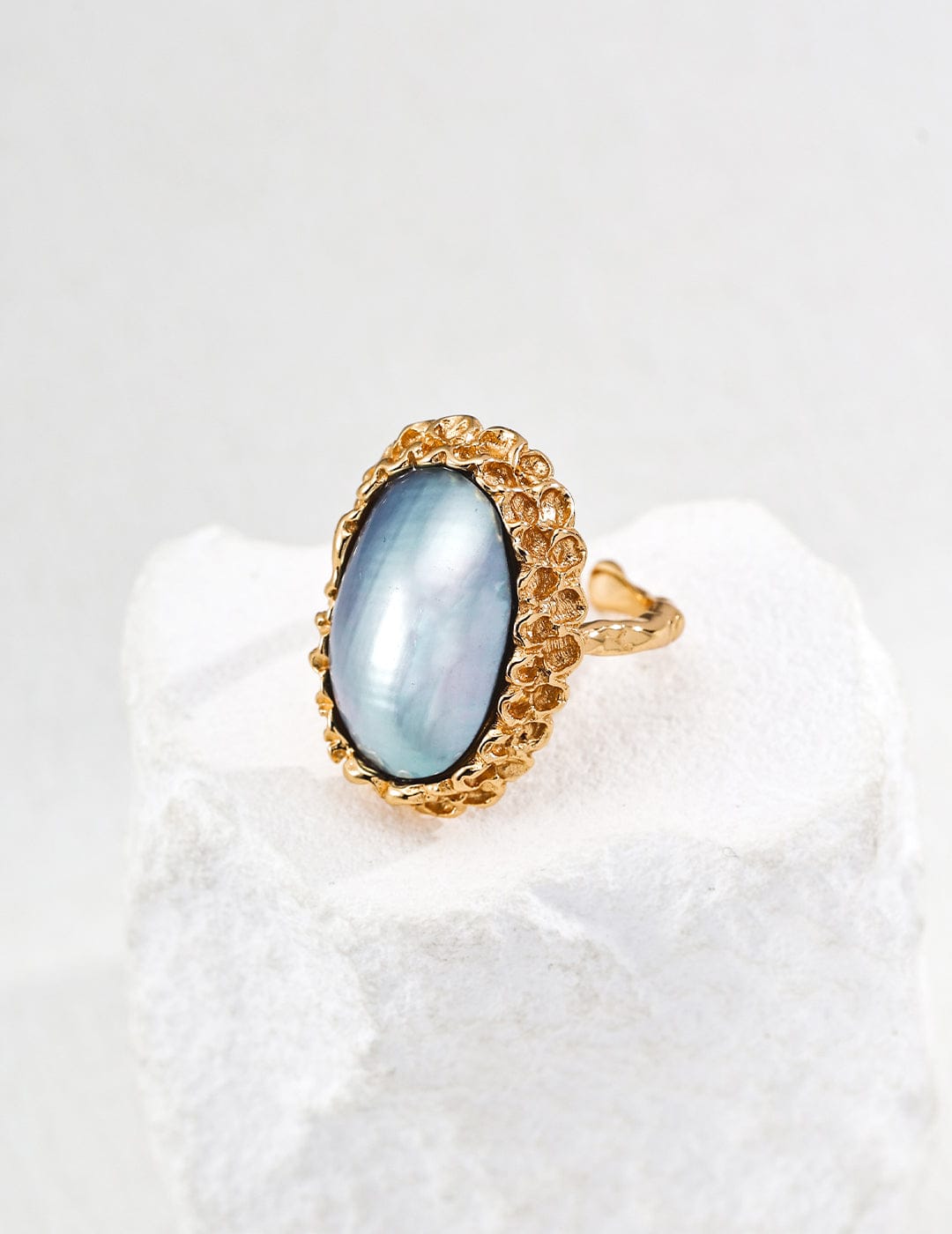
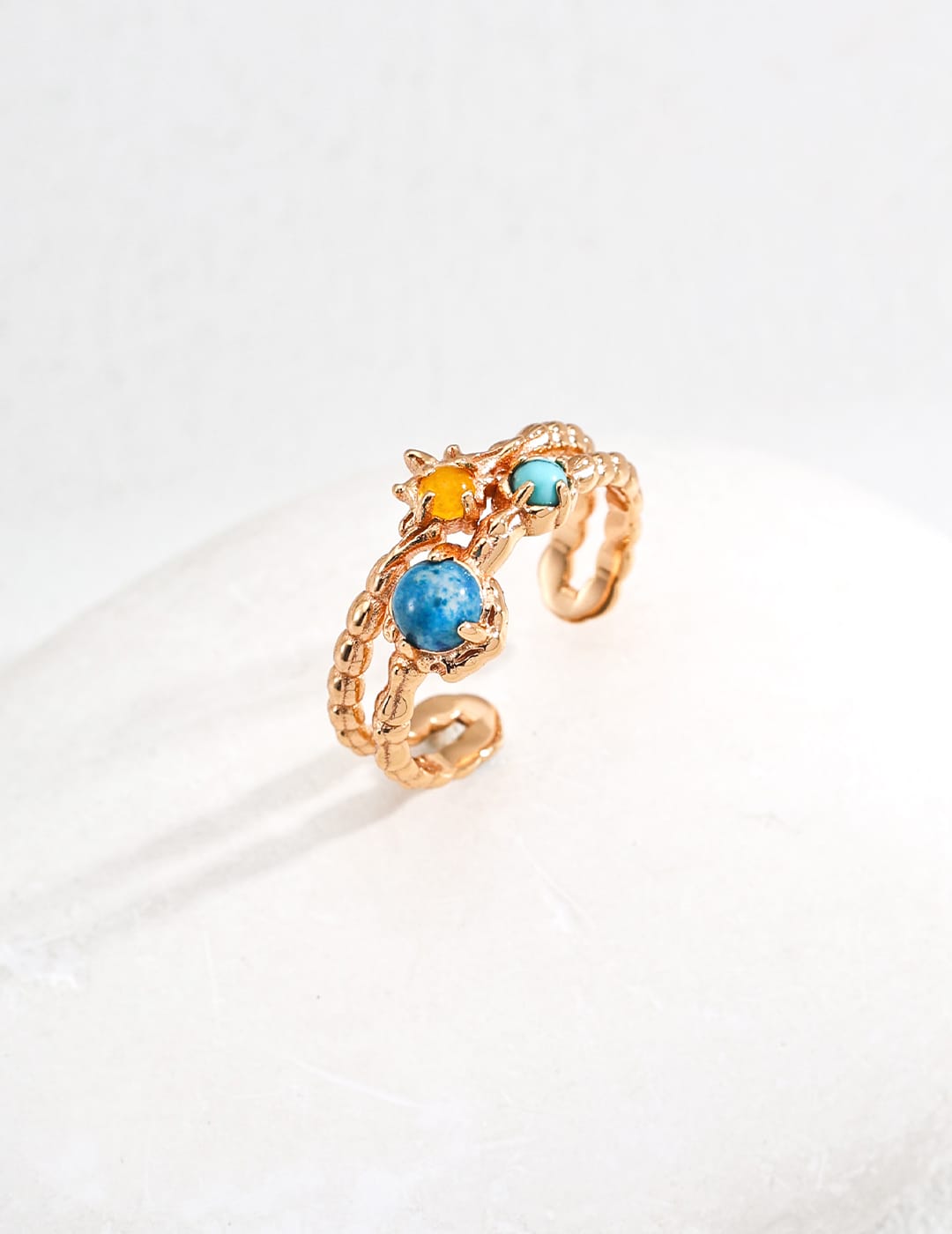
Use separate padded slots if they fit the bands comfortably. Give raised settings enough clearance above and beside them. A wide or sculptural ring may need its own small padded box instead of a narrow slot.
Bracelets
Fasten chain bracelets and give them separate compartments, just as you would necklaces. Keep rigid cuffs in their natural shape; squeezing a cuff into a small case defeats the purpose of protecting it. Bracelets with raised details need space around those details.
Pack Pearls Separately From Metal and Other Stones
Pearls need their own soft space. A smooth-looking metal clasp or another stone can still rub against their surface during a journey.
GIA's pearl care advice recommends protecting pearls from rough objects, wiping them after wear, and storing them in a soft pouch or case. It also advises avoiding hot, very dry storage conditions.
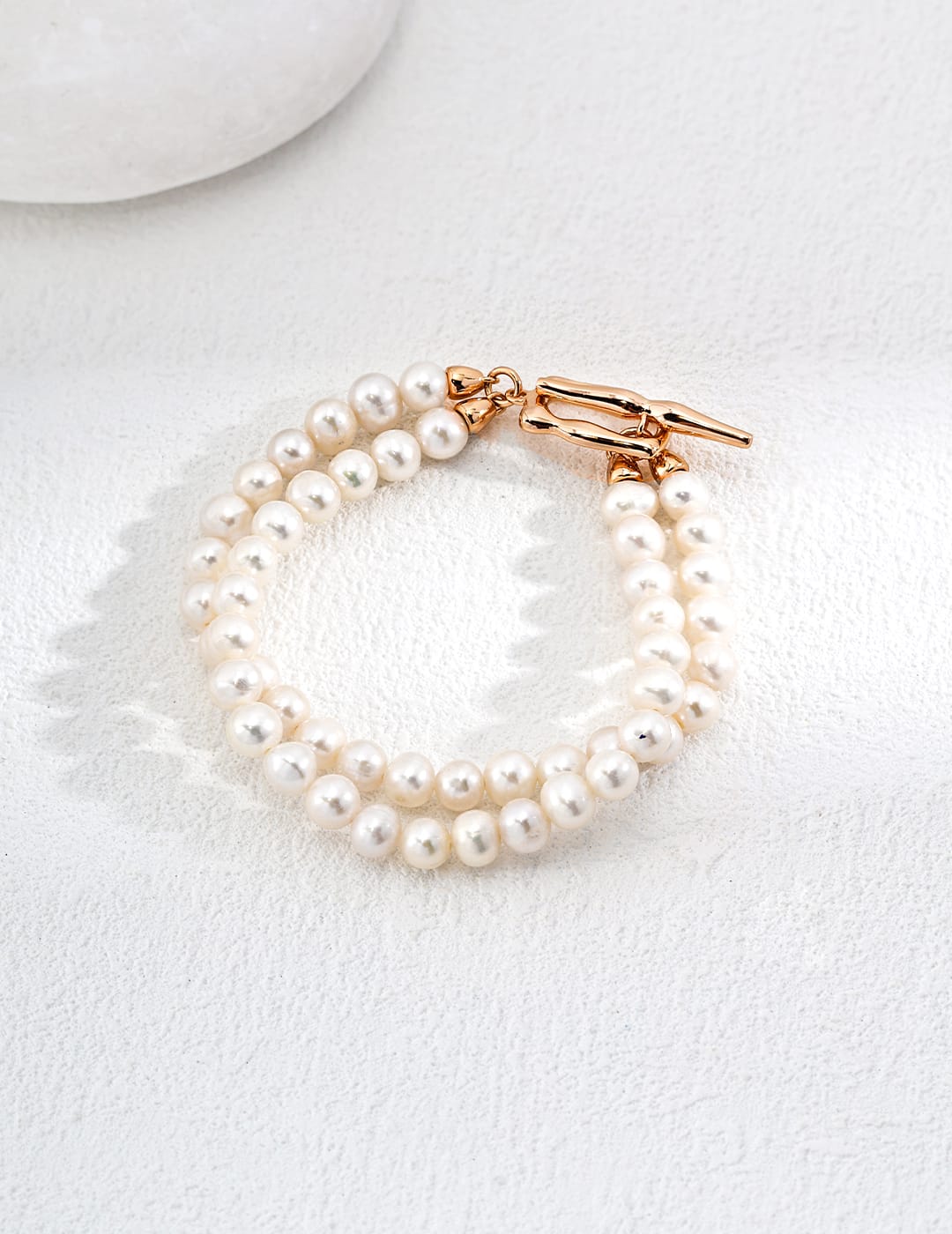
For a pearl strand, use a separate soft compartment with enough room for a gentle curve. Check that its own clasp is not pressed against the pearls. Pack it clean and dry, and give it cushioning within the outer case.
Bring the care instructions for any unfamiliar material, particularly treated gemstones or pieces combining several materials. A method suitable for a plain metal band may be unsuitable for the stone, coating, or string in another piece.
Keep Your Jewelry Together During the Journey
Pack the case in a secure, accessible part of the bag that stays with you. GIA's guide to traveling with jewelry recommends keeping jewelry in carry-on luggage and checking clasps and settings before departure.
If your cabin bag is taken for checking at the gate, move the jewelry case into the personal bag you retain. Keep it away from loose liquids and from objects that could crush the case.
For heirlooms or pieces you would be distressed to misplace, consider whether the trip really calls for them. A familiar everyday piece may let you enjoy the occasion with less to keep track of.
A simple packing photograph is useful here: take one picture of the open case before leaving home and compare it when you pack to return. It is an inventory aid, not a substitute for any documentation you may need.
Create a Small Jewelry Routine When You Arrive
Choose one place for the closed case and return pieces there whenever you take them off. Avoid scattering rings across a bedside table, a bathroom shelf, and the pockets of yesterday's clothes.
Keep the case away from the edge of a sink. If you change earrings before dinner, put the first pair away before taking out the second. This is especially helpful when packing in an unfamiliar room.
Plan jewelry around the activity. For swimming, workouts, or a treatment involving lotions and oils, the simplest option is to leave the pieces in their case. GIA's jewelry care guidance explains that chemicals and excessive heat can damage some metals and gemstones.
A water-resistance claim applies to the specific item and the conditions its maker describes. It does not automatically apply to every piece in your travel collection.
Your Before-You-Zip Checklist
- Every piece has an outfit or occasion in mind.
- Clasps and earring backs are secure; anything visibly loose stays home for attention.
- Each necklace has a separate space, with no chain caught in the closure.
- Pearls and delicate surfaces are cushioned away from metal and stones.
- The case closes easily without pressing against settings or posts.
- A soft lint-free cloth and any useful care instructions are packed.
- You know which bag will stay with you throughout the journey.
A small, thoughtfully chosen collection can offer plenty of variety. Change the earrings for dinner, wear your pendant with a different neckline, or let one favorite ring be the only detail.
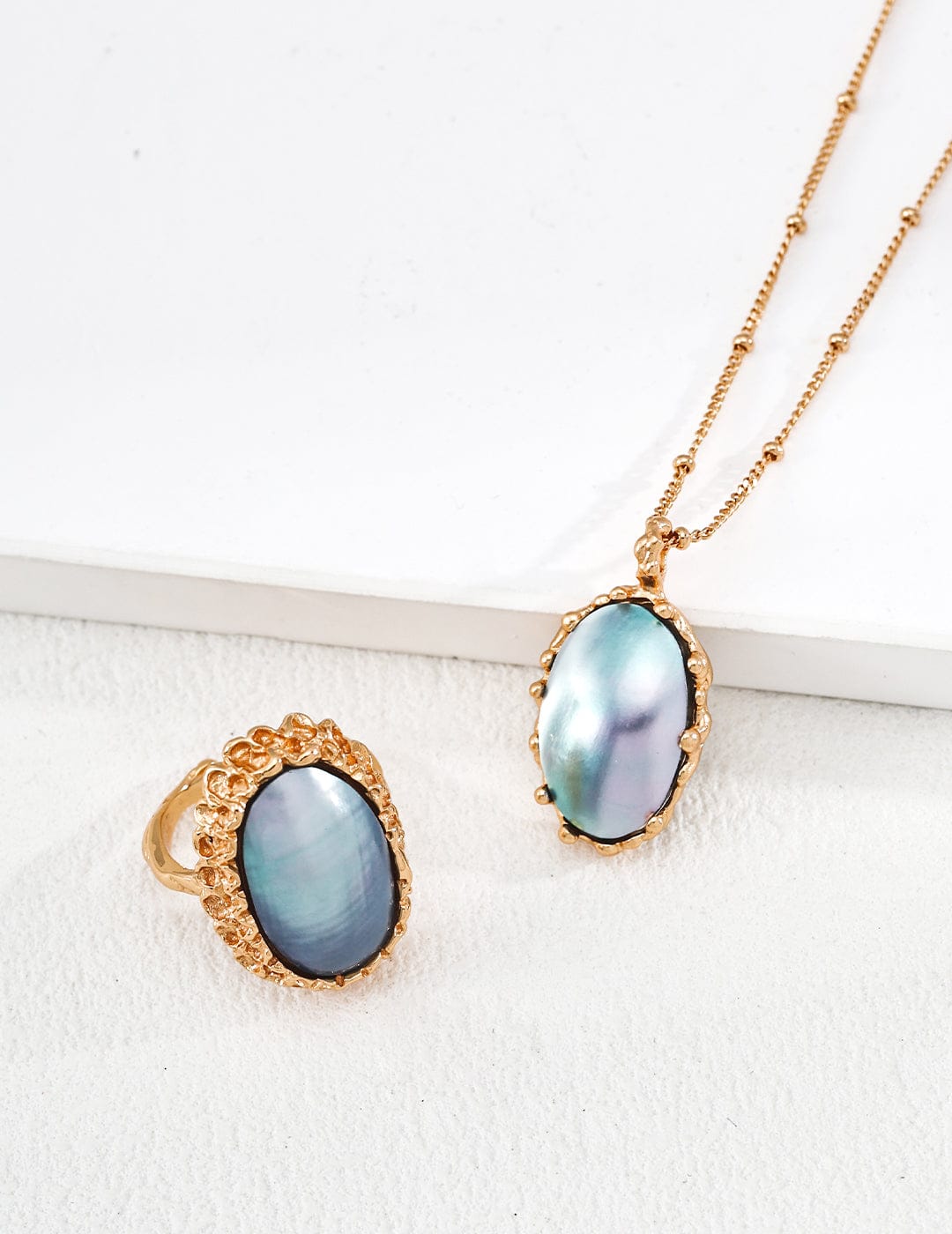
For styling ideas, browse The Aethels jewelry collection with your actual travel wardrobe in mind. The most useful addition is a piece you can picture wearing with several things already in your bag.
Frequently Asked Questions
What is the best way to pack jewelry for travel?
Use a lined case with spaces that fit your pieces, and keep items separated and cushioned. Secure chains, protect earring posts and raised settings, and check that the lid closes without pressure.
How do you pack necklaces without a jewelry organizer?
Pack one flexible necklace at a time in a loosely folded soft cloth, then place it in its own pouch inside a protective case. Stiff or easily kinked designs should travel in a suitable box following the maker's instructions.
Can you put all your jewelry in one pouch?
One loose pouch allows chains to intertwine and surfaces to rub. Use separate pouches or compartments inside the same outer case so the pieces stay together without touching one another unnecessarily.
Should jewelry go in checked luggage or carry-on luggage?
Keep it in the bag you retain with you, following GIA's travel guidance. If a cabin bag is checked at the gate, move the jewelry case into your personal bag before handing it over.
Can you travel with pearl jewelry?
Yes. Give pearls a separate soft compartment, avoid hot storage conditions, and follow their care instructions. Plan to wear them for activities that keep them away from chlorine, cosmetics, and rough contact.