

How to Mix and Match Jewelry Without Overdoing It: A Simple Styling Guide
Mixing and matching jewelry is one of the easiest ways to make an outfit feel more personal. A few thoughtfully chosen pieces can transform a simple look, add texture, and reflect your individual style.
But there is a fine line between a beautifully layered jewelry look and one that feels too busy.
The good news is that matching jewelry doesn't require following strict rules. It's more about creating balance—between bold and delicate pieces, different lengths, textures, metals, and the outfit you're wearing.
Whether you love minimalist jewelry or enjoy layering several pieces together, these simple styling tips can help you create combinations that feel effortless rather than overwhelming.
1. Start With One Focal Piece
One of the easiest ways to create a balanced jewelry look is to choose one piece as the focal point.
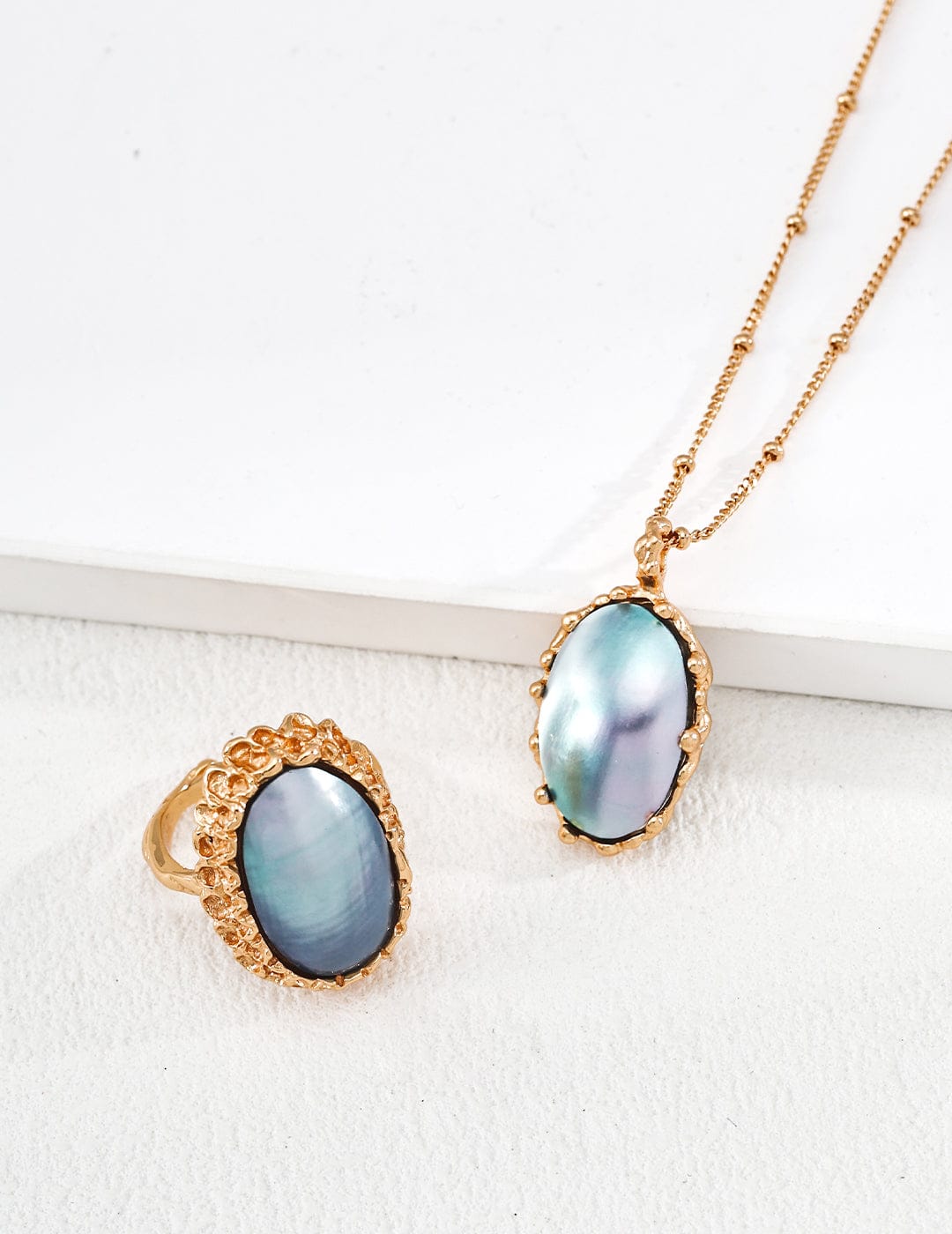
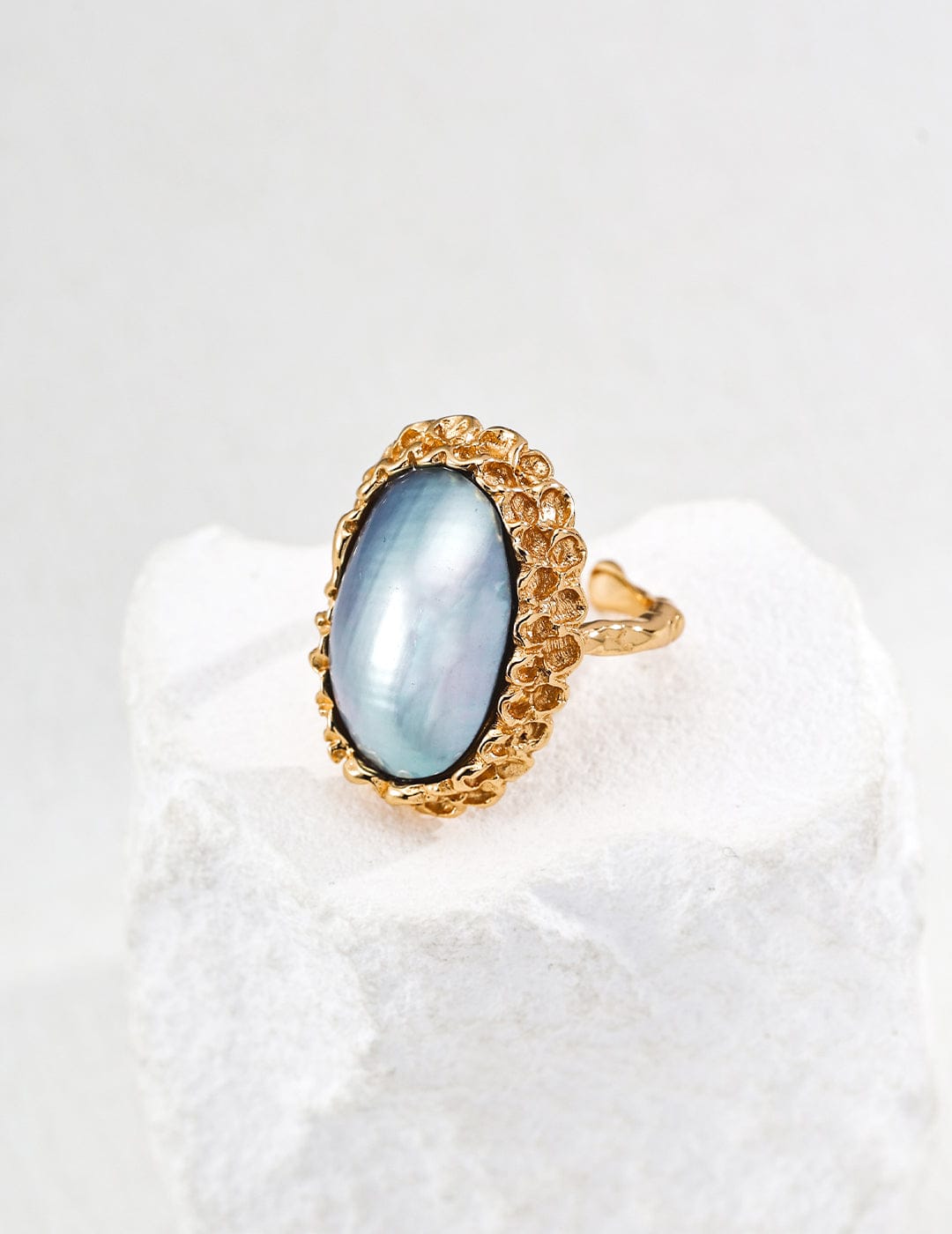
It might be a statement necklace, a pair of eye-catching earrings, a distinctive ring, or a bracelet with an interesting shape or texture.
Once you've chosen your focal piece, let the rest of your jewelry support it rather than compete with it.
For example, if you're wearing large statement earrings, pair them with a delicate necklace or skip the necklace altogether. If your necklace is the centerpiece of your outfit, smaller earrings can help keep the overall look balanced.
Think of your jewelry as a complete composition rather than a collection of individual pieces.
2. Mix Different Necklace Lengths
Layering necklaces is one of the most popular ways to mix jewelry, but wearing several chains at almost the same length can quickly make the neckline look crowded.
Instead, create visible space between each necklace.
A simple combination might include:
- A short delicate chain or choker
- A medium-length pendant necklace
- A longer, finer necklace
Different lengths create separation and allow each piece to remain visible.
You can also combine different chain textures or pendant shapes to make the layered look more interesting without adding too many pieces.
The goal isn't necessarily to wear more jewelry—it's to give each necklace enough room to stand out.
3. Balance Statement Jewelry With Simple Pieces
Not every piece of jewelry needs to attract attention at the same time.
If you're wearing a bold necklace, consider pairing it with small hoops or simple stud earrings. If your earrings are dramatic, keep your necklaces and bracelets more understated.
This contrast often makes statement jewelry look even stronger.
A useful principle is:
One statement piece + several subtle pieces = an easy, balanced combination.
Of course, you can wear multiple bold pieces together, but repeating similar shapes, colors, or materials will help create a sense of connection between them.
4. Don't Be Afraid to Mix Metals
The old idea that gold jewelry should only be worn with gold and silver only with silver is no longer necessary.
Mixing metals can make a jewelry combination feel more modern and personal.
Try combining a gold necklace with a silver chain, or stacking rings in different metal tones. The easiest way to make mixed metals look intentional is to repeat each metal somewhere else in your look.
For example, instead of wearing one silver piece surrounded by several gold pieces, introduce silver in two places—perhaps a silver ring and necklace alongside gold earrings and bracelets.
That repetition helps connect everything visually.
5. Layer Different Textures, Not Just Different Sizes
When layering jewelry, texture can be just as important as size.
Instead of stacking several nearly identical chains, combine pieces with subtle differences:
A smooth chain can sit beside a textured one. A simple pendant can be paired with a more detailed necklace. A polished ring can sit next to a delicate or sculptural design.
These small contrasts add depth without making the overall combination feel excessive.
This is especially useful when you're creating a monochromatic jewelry look using mostly gold or mostly silver pieces.
6. Stack Rings With a Little Breathing Room
Ring stacking doesn't mean filling every finger.
Often, two or three thoughtfully placed rings create a stronger look than wearing several large rings at once.
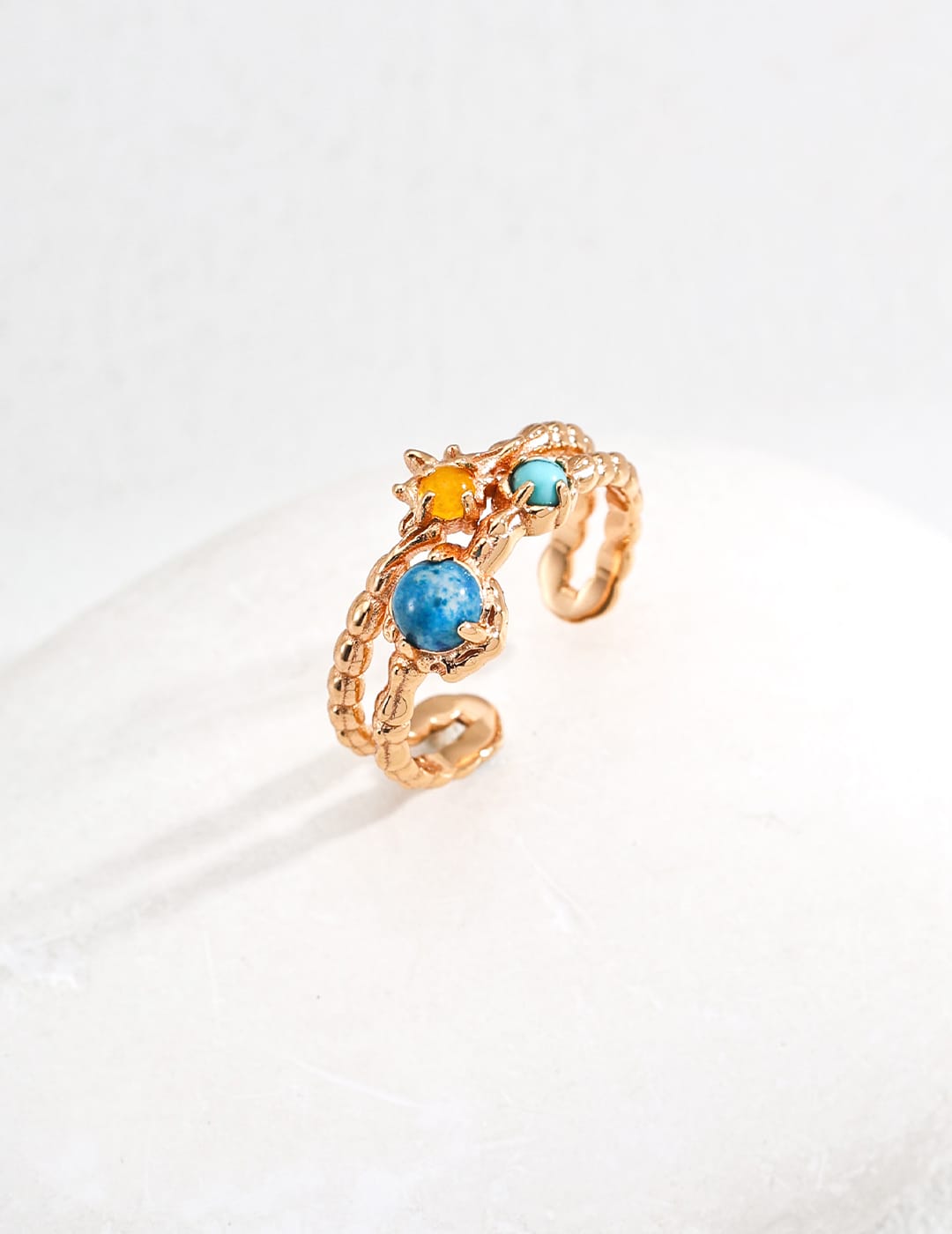
Try combining a simple band with a more detailed ring, or wear multiple delicate rings across different fingers.
Leaving some fingers bare creates visual breathing room and keeps the stack from feeling too heavy.
You can also vary the thickness of your rings. A wider band paired with thinner rings creates contrast while still keeping the overall look cohesive.
7. Keep Your Outfit in Mind
Your jewelry doesn't exist separately from your clothing.
A simple outfit gives you more room to experiment with layered necklaces, statement earrings, or stacked bracelets. On the other hand, an outfit with bold prints, embroidery, sequins, or other decorative details may already have plenty of visual interest.
In that case, simpler jewelry can complement the outfit instead of competing with it.
Necklines are particularly important.
Open necklines provide space for layered necklaces and pendants, while high necklines often work beautifully with earrings or bracelets as the main jewelry focus.
8. Create a Common Element
If you're wearing several different jewelry pieces, having one repeated element can make everything feel more intentional.
That common element could be:
- The same metal tone
- Similar gemstones
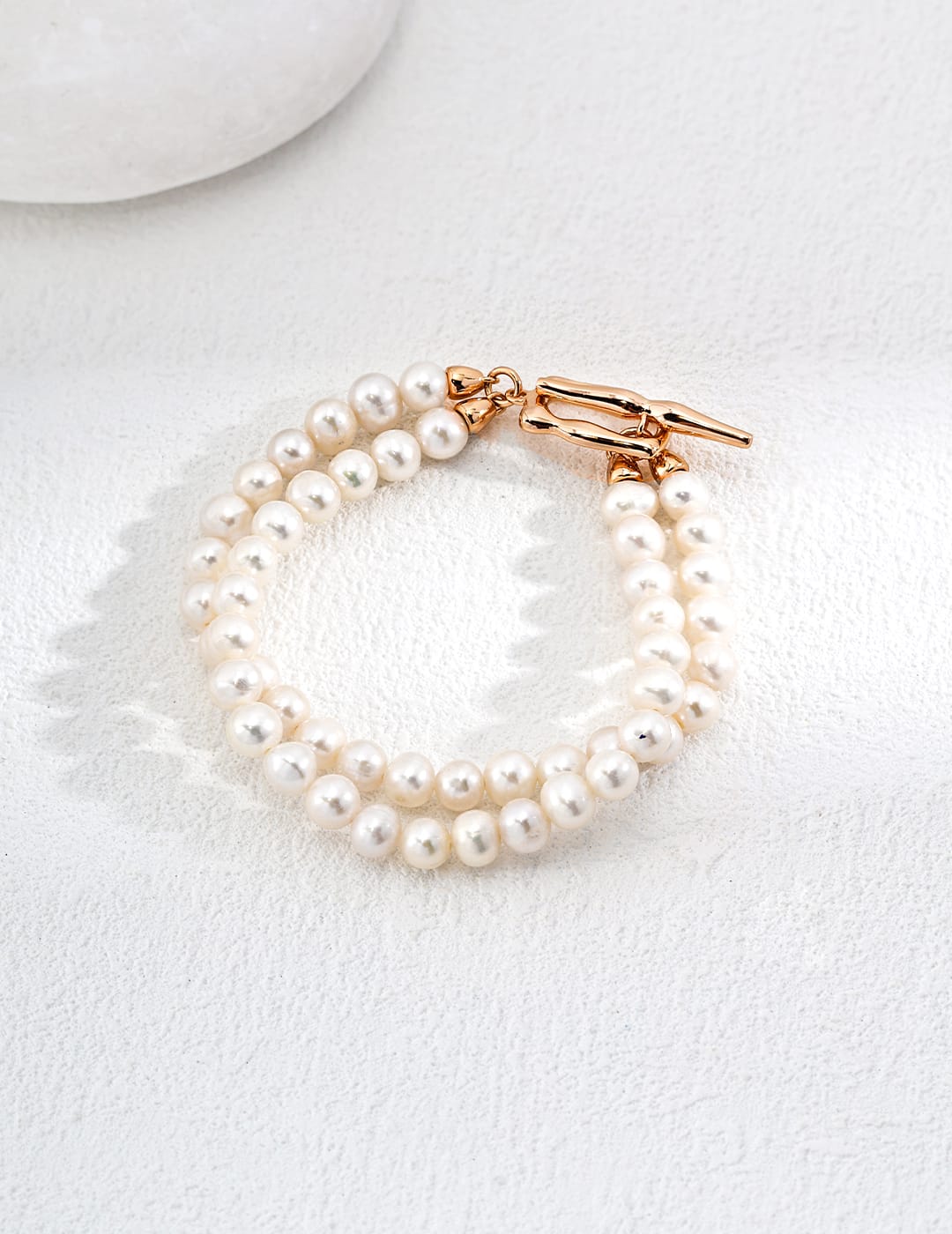
- Repeated pearl details
- Similar shapes
- A shared color
- Matching textures
The pieces don't need to come from the same collection.
Even a subtle connection can make jewelry from different styles feel like it belongs together.
9. Know When to Remove One Piece
One of the simplest jewelry styling tricks is also one of the most effective: after you've finished accessorizing, look at the entire outfit rather than each individual piece.
If one area feels crowded, try removing a single item.
Sometimes taking away one necklace, bracelet, or ring makes the remaining jewelry stand out more.
Minimal doesn't necessarily mean wearing very little jewelry. It means making sure every piece has a reason to be there.
10. Let Your Personal Style Lead
Jewelry styling shouldn't feel like following a formula.
Some people naturally prefer delicate jewelry and subtle layering, while others enjoy bold earrings, mixed metals, colorful stones, or multiple rings.
Both approaches can work.
Instead of worrying about whether every piece technically “matches,” look for balance and connection. Jewelry combinations often feel most interesting when they aren't perfectly coordinated.
The best mix is ultimately the one that feels natural when you wear it.
Final Thoughts
Learning how to mix and match jewelry is less about memorizing rules and more about understanding balance.
Start with a focal piece, experiment with different lengths and textures, mix metals intentionally, and give statement pieces enough space to stand out. Most importantly, consider your jewelry as part of your entire outfit rather than choosing each accessory separately.
With a little experimentation, necklaces, earrings, rings, and bracelets can work together to create a look that feels layered, polished, and uniquely yours.
FAQs
Can you mix gold and silver jewelry?
Yes. Gold and silver jewelry can be worn together. Repeating both metals across different pieces can help the combination look more intentional and cohesive.
How many pieces of jewelry should you wear at once?
There is no fixed number. Instead of counting pieces, focus on visual balance. Several delicate pieces can look subtle, while two or three statement pieces may already create a bold look.
How do you layer necklaces without looking messy?
Choose necklaces in different lengths and leave visible space between each layer. Mixing chain textures and pendant sizes can also help distinguish each necklace.
Should earrings and necklaces match?
They don't have to match exactly. Similar metals, colors, shapes, or design details can create enough connection while still allowing each piece to feel unique.
How do you mix statement and minimalist jewelry?
Choose one statement piece as the main focus and use simpler jewelry around it. This creates contrast and prevents multiple pieces from competing for attention.